In search of public water provision, particularly in Leiden (part 2) How did the people of medieval Leiden obtain their drinking water? Here is a second blog about this fascinating question. Roos van Oosten • April 26, 2018
The Moving Finger: Glimpses into the Life of a Persian Quatrain How did the Rubáiyát attributed to the medieval philosopher Omar Khayyam find its way on board of the R.M.S. Titanic, into a parody of Mark Twain, and even into a speech of President Bill Clinton? Asghar Seyed Gohrab • April 13, 2018
It’s all in the family In fifteenth century Guelders (grosso modo modern day Gelderland), the brothers of duke Arnold preyed on each other’s property – former princely possessions given to them – and took different sides in the civil war between the duke and his son. Jaap Ligthart • March 30, 2018
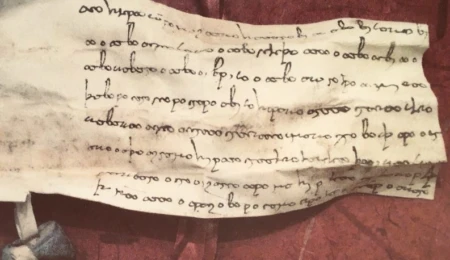
"Alber, I beseech thee": Healing magic from the grave Medieval textual amulets, made out of metal or parchment, were worn around the neck to ward off evil powers. Elizabeth den Hartog • March 16, 2018
“A pair of apples fashioned in ivory”: Female breasts and the male gaze in Renaissance Italy [Click here: naked women!] Modern advertising companies often use the female body, and breasts in particular, to attract attention. Renaissance artists and writers were rather preoccupied with the subject too. Marlisa den Hartog • March 02, 2018
Op kruistocht tegen de Turken! Vechten tegen een buitenlandse vijand voor steun in eigen land In 1594 namen twee ridderbroeders van de Duitse Orde deel aan de strijd tegen de oprukkende Turken. Deze herleving van de kruistochtgedachte mondde uit in een militaire mislukking, maar een binnenlandse agenda was er wel mee gediend. Jerem van Duijl • February 16, 2018
Pigs and Bagpipes: Geoffrey Chaucer's Miller in Context Geoffrey Chaucer drew on various medieval traditions surrounding pigs to characterise one of his most memorable characters in the Canterbury Tales: Robin the Miller Thijs Porck • February 02, 2018
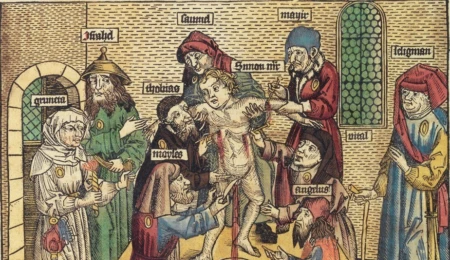
Who’s That Guy? Identity Crisis in a Fifteenth-century Woodcut In fifteenth-century illustrated printed books printers regularly re-used their illustrations. When working with this material, a feeling of déjà-vu is not uncommon. But sometimes you recognize just one person, and you ask yourself: Who’s that guy? Anna Dlabacová • January 19, 2018
Dracula en de drukpers: Hoe Vlad III een monster werd Dracula staat sinds de late negentiende eeuw als vampier bekend, maar heeft al een veel langere voorgeschiedenis. Deze post belicht populaire Duitse Dracula-pamfletten uit de vijftiende en zestiende eeuw en hun invloed op de latere beeldvorming. Johannes Müller • January 05, 2018